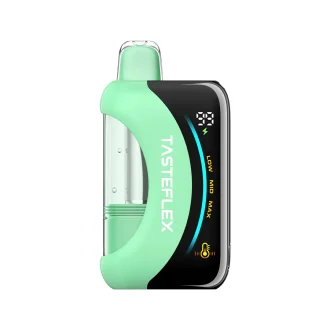
If you walked into your local vape shop this week and did a double-take at the price tags, you are not alone. If you scrolled through your favorite online retailer only to find that the “Buy 5 Get 1 Free” deal has been replaced by a modest “Buy 3 Get 5% Off,” you aren’t imagining things. Across the United States, from Los Angeles to Miami and New York to Chicago, a silent but seismic shift is happening at the checkout counter.
The “Golden Age” of dirt-cheap disposable vapes—that glorious two-year stretch where a 15,000-puff device seemed to cost less than a pack of craft beer—is officially over.
As of April 1, 2026, a massive, underreported shift in Chinese tax policy has sent shockwaves through the global supply chain. And as of this week, those shockwaves have finally finished their 8,000-mile journey across the Pacific and are landing squarely on your wallet. If you are wondering why that Lost Mary, Foger, or Geek Bar now rings up $3 to $5 higher than it did last month, you need to understand the collapse of the mechanism that made them cheap in the first place: the Chinese VAT export rebate.
The Death of the “13% Discount”
To understand why your wallet is hurting, you have to go back to the mechanics of international trade. For nearly a decade, the United States has been the primary dumping ground for Chinese disposable vape technology. But China does not subsidize those factories out of the kindness of its heart; it does so via the Value-Added Tax (VAT) export rebate system.

Here is how it used to work. Every Chinese manufacturer pays a 13% VAT on the materials they buy—the plastic, the copper wire, the lithium cells, the nicotine salt, and the flavoring agents. However, because the Chinese government wants to encourage exports (to keep its factories running and its economy humming), it refunds that 13% tax to the manufacturer the moment the goods leave the port of Shenzhen.
In practical terms, this was a hidden subsidy. The Chinese treasury was effectively paying you, the American customer, 13% of your purchase price. That is why a device that required $8 in materials and labor could be sold to a U.S. distributor for $5.50. The government picked up the rest.
That subsidy is now dead. Per the official notice (Announcement No. 2, 2026), which was quietly released by China’s Ministry of Finance in late February but took effect on April 1, the export rebate for e-cigarettes, vape hardware, lithium batteries, and all related accessories has been slashed to zero percent. The government is no longer refunding the tax. The factories are now on the hook for the full 13% cost increase.
Why the Price Jump is Happening Today?
If the policy changed on April 1, you might logically ask: Why am I just feeling the pain now, three weeks later? The answer lies in the brutal reality of supply chain lag, a concept that became painfully familiar to everyone during the COVID-19 pandemic.
The April 1st Cutoff: The policy was not retroactive. Any container that was loaded onto a ship and left the port of Shenzhen or Yantian before midnight on April 1 was still eligible for the old rebate. However, any shipment that left after that timestamp cost the manufacturer 13% more to produce. Since margins in the vape industry are razor-thin (often 5-8%), a 13% cost increase is existential. Factories could not absorb it. They immediately raised their prices to U.S. distributors by 10-12%.
The Ocean Freight Window: A standard cargo ship traveling from Shenzhen to the Port of Los Angeles or Long Beach—the primary entry point for 70% of U.S. vape products—takes between 14 and 21 days. That does not include the three to five days it takes to clear U.S. Customs and Border Protection (CBP), especially given the FDA’s increased scrutiny on imported tobacco products.
The New Arrivals: Those “expensive” shipments—the ones that cost the factory an extra 13% to produce—started hitting U.S. warehouses roughly between April 14 and April 18. It takes distributors another 48 to 72 hours to break down those pallets and ship them to vape shops and regional fulfillment centers.
The Retail Reality: As of Monday, April 20, and Tuesday, April 21, those high-cost devices are hitting the shelves. The “old stock” (containers that left China in March) may be running out. When you see a new price tag today, you are looking at the first wave of the post-rebate era.
The Math: How Much More Will You Pay?
Let’s get specific. You don’t need to see the inside baseball of factory invoices or distributor margins—that’s our job to worry about. What you need to know is how this hits your wallet at the register.
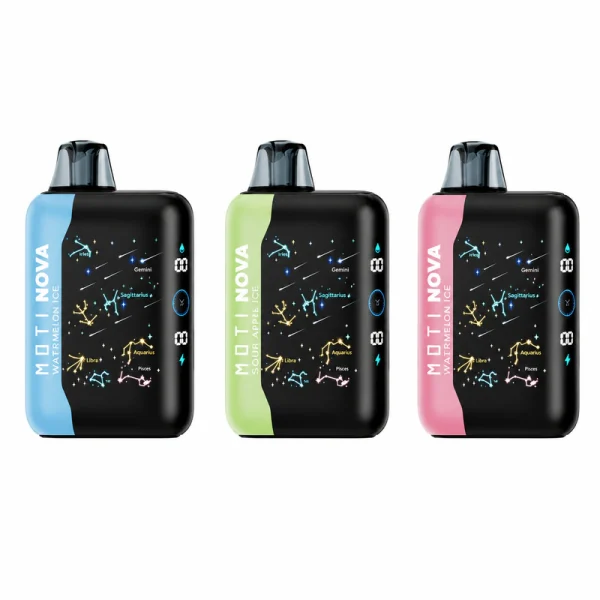
Before April 1, that 15,000-puff disposable you grabbed without thinking twice cost you around $19.99. After the 13% tax rebate was pulled and the supply chain did its 21-day journey across the Pacific, that same device is now landing on shelves at $22.99 to $24.99.
That’s a 15% to 25% retail price increase overnight. And no, your local shop isn’t gouging you—they’re fighting the same squeeze as everyone else.
The pain isn’t distributed equally across the shelf, though. Here’s what you’ll actually see when you walk in this week:
- Premium Disposables (15k–20k puffs): Expect a $4 to $6 jump. That $24.99 device is now pushing $29.99.
- Budget Disposables (5k–8k puffs): These take the hardest hit because the battery and packaging eat up most of the cost. A $12.99 disposable is likely now $15.99 or $16.99.
- Bundle Deals: Remember “Buy 5 Get 1 Free” or “5 for $50”? Those are quietly turning into “4 for $50” or “Buy 3 Get 5% Off.” Wholesalers and shops are protecting their margins the only way they can—by trimming the bulk discounts you’ve gotten used to.
The bottom line? You’re not imagining it. Your favorite device costs more today than it did three weeks ago. And until the market settles, don’t expect those old price tags to come back.

The “Pulse” of the Market: Will Geek Bar Get More Expensive?
As the undisputed heavyweight in the current market, everyone wants to know: Is the Geek Bar Pulse 15000 (and its high-capacity successors) safe from the hike? The short answer is a definitive no.
Geek Bar’s parent company, Geekvape, operates some of the most sophisticated, high-volume manufacturing facilities in Shenzhen. While their massive scale allows them to negotiate better raw material pricing than smaller brands, they are not immune to the laws of Chinese fiscal policy. Because Geek Bar devices utilize high-end dual-mesh coils and large, high-output lithium batteries, their production costs are inherently higher than budget alternatives. With the 13% export rebate vanished, the manufacturing cost of a single Pulse unit has jumped nearly a full dollar at the factory gate. By the time that dollar is multiplied by shipping, distributor margins, and retail overhead, you can expect the $18.99 “promotional” price tags to vanish, replaced by a firm $22.99 to $25.99 standard at most US vape shops this month.

Foger and the Mid-Tier Crunch: What to Expect
Foger has built a loyal following by offering a balance of reliability and aggressive pricing, often sitting comfortably as the “value” choice for heavy users. However, Foger—along with similar mid-tier brands like Raz or Viho—is actually in a more precarious position than the market leaders.
Unlike the giants who can lean on massive cash reserves to slow-walk price increases, Foger operates on tighter net margins. They don’t have the luxury of absorbing a 13% tax hit. Reports from wholesale hubs in Texas and Florida indicate that Foger master cases are already seeing a $1.50 to $2.00 per-unit increase at the distributor level. For the end consumer, this means the days of finding Foger “Buy Two” deals for under $30 are likely over. If you’re a Foger loyalist, that $15 price point you’ve enjoyed is rapidly moving toward $19.99 or higher as the pre-April stock evaporates from local shelves.

The “Perfect Storm” Hitting the Industry
If you think this is just about the Chinese tax code, you are missing the bigger picture. This 13% hike is landing during a “perfect storm” of three simultaneous market pressures. The tax rebate removal is merely the final straw that breaks the camel’s back.
1. Rising Logistics Costs (2026): While ocean freight rates have stabilized since the pandemic peak, they are still 30% higher than they were in 2019. Furthermore, new International Maritime Organization (IMO) environmental regulations that went into effect in early 2026 require ships to use more expensive, lower-sulfur fuel. Those fuel costs are passed down the chain.
2. FDA Enforcement & PACT Act Compliance: The U.S. regulatory environment has become a minefield. The PACT Act (Preventing All Cigarette Trafficking Act) now requires vape manufacturers to register with the ATF, verify age for delivery, and file detailed manifests. Legal compliance costs for importers have tripled in the last 18 months. Every lawyer, every customs bond, and every age-verification software subscription adds $0.50 to $1.00 to the cost of every device you buy.
3. Lithium Battery Scarcity: Your disposable vape is, at its heart, a lithium-ion battery wrapped in plastic. With the explosion of the electric vehicle (EV) market and grid-scale storage, battery-grade lithium has become a precious commodity. China controls 60% of the world’s lithium refining. Domestic demand for batteries (for cars, not vapes) is so high that the government has less incentive to subsidize vape battery exports. The raw material cost for the battery inside your disposable has risen 18% year-over-year.
What Should You Do? The 2026 Survival Guide
Panic buying is rarely the answer, but strategic adaptation is. The era of the $15 “super-sized” disposable is likely gone for good. If you want to protect your wallet and your habit, here is your four-step survival guide for the rest of 2026.
1. Hunt for “Old Stock” Immediately
Right now, there is a temporary window of arbitrage. Some shops still have inventory that cleared U.S. customs in March—devices that were manufactured under the old 13% rebate. These devices are already paid for and sitting in back rooms. Until that inventory runs out (likely within the next 10 to 14 days), you can still find the old prices.
2. The Strategic Pivot to Pod Systems
For years, vape veterans have watched disposable users pay a massive premium for convenience. Now that premium has become a chasm. If you are still using disposables, the math has finally flipped in favor of refillable pod systems (like the Vaporesso XROS, Uwell Caliburn, or SMOK Nord).
- The Cost Breakdown: A bottle of premium 30ml e-liquid (which contains roughly the same amount of nicotine as 10 to 12 disposable devices) costs about $15 to $20. A pack of replacement pods costs $10 for a month’s supply.
- The Savings: While a disposable user will now spend roughly $75 per month, a pod system user will spend $25 per month. The upfront hardware cost ($30 for a device) pays for itself in the first two weeks.
3. Quality Over Quantity
We are moving away from the “cheap and cheerful” era of disposables. When a device costs $25, you cannot afford for it to die after 1,500 puffs because of a dud battery. The market will (and is starting to) bifurcate.
- Avoid: The generic “gas station special” brands that pop up overnight. These fly-by-night operations have the least ability to absorb costs and will likely cut corners on battery quality to maintain price points, resulting in dangerous defects or short lifespans.
- Seek: Brands that have been around for 3+ years (Lost Mary, Geek Bar). These companies have the vertical integration to improve hardware longevity. Look for devices with “mesh coils” and “transparent juice windows”—features that indicate the manufacturer is betting on you using the device until the last drop, rather than throwing it away early.
4. Rethink the “Disposable” Mentality
The final piece of advice is psychological. For the last five years, you have treated vapes as impulse buys—cheaper than a pack of cigarettes and easier to toss. That era is ending. The 13% tax rebate was a gift from the Chinese treasury to you, the American vaper, for over a decade. That gift has been revoked.
Going forward, treat your vape like you treat your phone charger or your coffee maker. It is a tool, not a toy. Protect it. Don’t leave it in a hot car (which kills the battery). Don’t toss it when the flavor gets weak—let it sit for ten minutes to let the cotton re-saturate. Squeeze every puff out of it.
The Bottom Line
The container ships have docked. The customs forms have cleared. The new inventory is on the shelves. The 13% subsidy that made America the cheapest place in the world to vape is history.
As the market stabilizes over the coming months, do not expect prices to drop. Once a tax increase is absorbed into the retail price of a consumer good, it rarely retreats. The days of the $15 “super-sized” disposable are likely gone for good. The new normal is $22.99 to $27.99 for a premium device.
You have two choices: pay the premium for the convenience of disposables, or spend twenty minutes learning how to fill a pod system. Either way, the “Price Hike Alert” is real. Your wallet just got a little lighter.