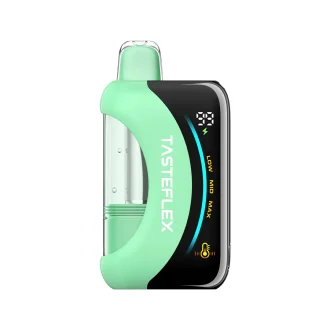
As disposable vapes surge in popularity across the United States, a common question arises among both users and non-users: can being near someone who is vaping a Geek Bar expose you to secondhand smoke? The direct answer is no. Geek Bar devices do not produce smoke because they contain no tobacco and involve no combustion. However, they do produce an aerosol—commonly called vapor—that can contain nicotine and fine particles. This means that while there’s no secondhand smoke, there is a possibility of secondhand vapor exposure. Understanding the difference is key to making informed choices about where and how you vape around others.
The Crucial Difference: Smoke vs. Vapor
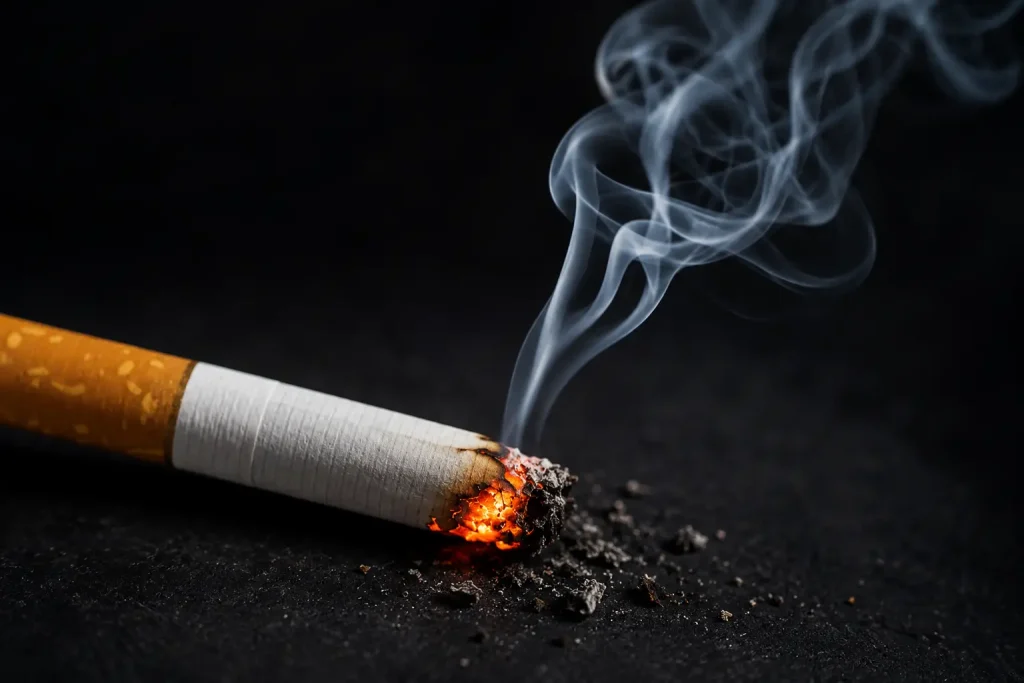
To understand why a Geek Bar doesn’t create secondhand smoke, you first have to look at how traditional cigarettes work. When you light a conventional cigarette, you’re burning tobacco. That combustion process, which can reach temperatures over 1,600°F, doesn’t just release nicotine—it tears apart the tobacco and paper, creating thousands of chemical compounds. Among them are tar (the sticky residue that clogs lungs), carbon monoxide (a poisonous gas), formaldehyde, benzene, and heavy metals like lead and cadmium. This complex, toxic mixture is what we call secondhand smoke, and it’s responsible for hundreds of thousands of lung cancer and heart disease deaths each year among non-smokers.
Geek Bar disposable vapes operate on an entirely different principle. Devices such as the Geek Bar Pulse 2 25K, Pulse X 2 50K, Mate 60K Kit, CLR 50K, Clio Platinum 50K, and Pulse X 25K use a battery to power an atomizer. This atomizer heats a small amount of e-liquid—typically composed of propylene glycol (PG), vegetable glycerin (VG), flavorings, and nicotine—using advanced dual mesh coil technology. The temperature is carefully controlled to vaporize the liquid, not burn it. Because there’s no fire, no combustion, and no burning organic matter, there is no smoke. The resulting clouds are technically an aerosol of fine droplets, but in everyday language, we call it vapor.

So, to answer the core question directly: No, you cannot get second-hand smoke from a Geek Bar disposable vape, because there is no smoke to inhale.
Can Bystanders Still Be Exposed to Vape Aerosol?
While Geek Bars don’t produce smoke, it’s not accurate to say they release nothing into the surrounding air. When a user takes a puff and exhales, they release the vapor that hasn’t been fully absorbed by their lungs. This exhaled aerosol doesn’t just disappear—it disperses into the immediate environment.
A growing body of research, including published studies on secondhand exposure from electronic cigarettes, has measured exactly what bystanders might encounter. Here’s what the science currently tells us:
- Nicotine is measurable but much lower: E-cigarettes do release nicotine into indoor air. However, the levels are significantly lower—often 80-90% lower—than those produced by traditional cigarettes. In a typical room, secondhand nicotine from vaping is measured in micrograms per cubic meter, whereas cigarette smoke produces levels in the milligram range.
- Fewer combustion toxicants: Crucially, studies have found that e-cigarette vapor does not produce significant levels of carbon monoxide, tar, or many of the other combustion-related toxicants that make cigarette smoke so dangerous. Those chemicals simply aren’t created in the absence of burning.
- Particulate levels are present but reduced: Vaping does release fine and ultrafine particles into the air. However, the mass and number of these particles are substantially lower than those generated by cigarette smoke. One study found that while vaping increases indoor particle concentrations, the increase is only about one-tenth of what you’d see from smoking a similar number of conventional cigarettes.
The consensus among researchers is that non-users may experience some low-level exposure to nicotine and aerosol particles when in close proximity to active vapers, but the exposure is considerably less hazardous than secondhand cigarette smoke. That said, “less harmful” does not mean “harmless,” and researchers continue to study the long-term effects of regular, repeated exposure to secondhand vape aerosol.
What Does This Mean Specifically for Geek Bar Users?
Geek Bar devices are known for their high nicotine content. Most Geek Bar products sold in the U.S. market use a 5% nicotine strength formulation (50mg/mL). Popular models like the Geek Bar Pulse 2 25K, Pulse X 2 50K, Mate 60K Kit, CLR 50K, Clio Platinum 50K, and Pulse X 25K all operate using draw-activated firing and dual mesh coil systems. These coils are very efficient at turning e-liquid into vapor.
When a user exhales from one of these devices, the people nearby may be exposed to:
- Trace amounts of nicotine: Enough to potentially be detected on clothing or in indoor air, but typically not enough to cause a “buzz” or acute effects in a healthy adult in a ventilated space.
- Aerosol particles: These microscopic droplets can carry flavoring compounds and the base liquids PG and VG.
- Flavoring chemicals: While generally recognized as safe to eat, some flavoring chemicals (like diacetyl, though now rarely used) have raised concerns when inhaled over long periods.
The key takeaway is that while exposure is real, the current weight of evidence suggests that brief, incidental exposure in a well-ventilated area poses a very low risk to healthy adults. The concern is greater for sensitive populations—children, pregnant women, the elderly, or those with asthma, COPD, or heart conditions—with repeated, prolonged exposure in enclosed spaces.
Factors That Increase or Decrease Secondhand Vapor Exposure
Not all vaping situations are the same. Several factors strongly influence how much vapor lingers and what bystanders might breathe in.
1. Ventilation (The Biggest Factor):
This is the #1 variable. In a wide-open outdoor space, exhaled vapor disperses almost instantly. The concentration of nicotine or particles drops to near-zero within seconds. In a small, enclosed, poorly ventilated room—like a car or a windowless office bathroom—the vapor can accumulate, leading to noticeably higher concentrations. A well-ventilated indoor space with HEPA filtration or strong air exchange will also rapidly clear the air.
2. Device Settings and Power Modes:
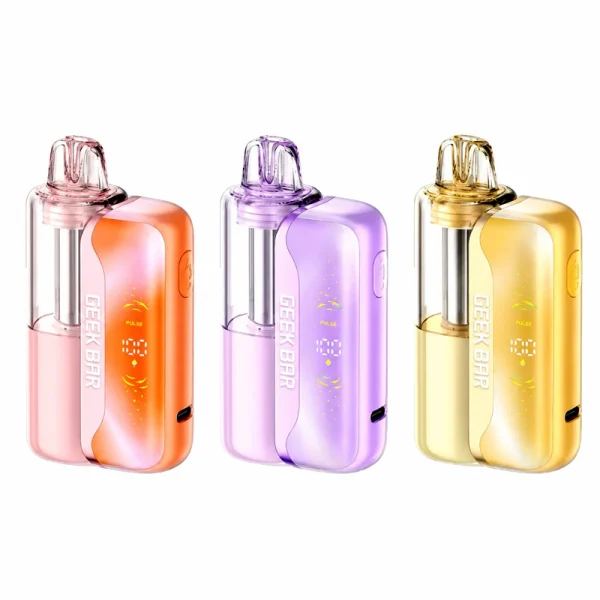
Modern Geek Bar models are not one-size-fits-all. Many feature adjustable airflow and multiple power settings, which directly affect cloud size. For example:

- The Geek Bar Pulse 2 offers both a standard “Regular Mode” and a high-output “Pulse Mode.”
- The Geek Bar Pulse X 2 features two distinct power modes paired with a powerful 0.6-ohm dual mesh coil.
- The Geek Bar Mate 60K includes a “Boost Mode” for increased vapor production.
- When a user switches to Pulse or Boost Mode, the coil runs hotter and vaporizes more liquid per puff. This produces denser, larger clouds and, consequently, more exhaled aerosol for bystanders. Using a lower power setting or restricting airflow will produce smaller clouds and less secondhand exposure.
3. Frequency and Density of Use:
A single puff every five minutes in a large living room is very different from a chain-vaping session—ten puffs per minute—in a small sedan. The more puffs taken and the shorter the interval between them, the higher the steady-state concentration of aerosol in the room. Longer vaping sessions allow particles to build up faster than they can disperse.
4. Room Size:
Simple physics applies. A larger volume of air will dilute exhaled vapor more effectively than a small volume. A 500-square-foot open-plan office will see much lower concentrations than a 50-square-foot walk-in closet.
Is Secondhand Vapor as Harmful as Secondhand Smoke?
This is the most important question for public health. Based on all available research, the answer is a clear and emphatic no. Secondhand vapor and secondhand cigarette smoke are not in the same category of danger.
- Toxicity: Cigarette smoke contains over 7,000 chemicals, at least 70 of which are known carcinogens. Vape aerosol contains far fewer chemicals, and the ones present are generally at much lower levels. The carcinogens found in smoke (like tobacco-specific nitrosamines) are either absent or present only at trace levels in vapor.
- Particulate matter: While both release particles, the particles in smoke are coated with combustion byproducts like tar and polycyclic aromatic hydrocarbons (PAHs). Vape aerosol particles consist mainly of PG, VG, and water—substances considered much less toxic.
- Real-world impact: Secondhand smoke is a proven cause of lung cancer, heart disease, stroke, and sudden infant death syndrome (SIDS). To date, there are no documented cases of lung cancer or heart disease caused solely by secondhand vape aerosol. That doesn’t mean risks are zero—they just appear to be orders of magnitude smaller.
That said, researchers are still studying the long-term effects of repeated secondhand vape exposure, particularly on children’s developing lungs and on people with pre-existing conditions. Caution is still warranted.
Best Practices for Using Geek Bar Devices Around Others
If you use a Geek Bar disposable vape, being considerate of those around you is simple and respectful. Here are practical tips for U.S. users:

- Vape outdoors whenever possible. This completely eliminates indoor accumulation and is the single best way to protect bystanders.
- Avoid vaping around children and pregnant women. Their developing bodies are most vulnerable to any foreign substance, including nicotine.
- Be mindful in cars and small rooms. Never vape in an enclosed vehicle with others. The concentrations can build up quickly. In a small office or bedroom, open a window or step into another space.
- Respect local vaping regulations and venue policies. Many U.S. states and cities now ban vaping wherever smoking is banned. Restaurants, bars, workplaces, and public transit almost always prohibit it. Follow the rules.
- Use lower power modes in shared spaces. If you’re indoors with others and have permission to vape, stick to Regular Mode instead of Pulse or Boost. Smaller clouds mean less aerosol for others to breathe.
- Ask first. When in doubt, simply ask the people around you, “Do you mind if I vape?” Basic courtesy goes a long way.
Final Verdict
Can you get secondhand smoke from a Geek Bar disposable vape? No. There is no combustion, no burning tobacco, and therefore no smoke. However, Geek Bar devices do produce an aerosol vapor that contains nicotine and fine particles. Bystanders can be exposed to this vapor, especially in enclosed, poorly ventilated spaces when the device is used frequently or in high-power modes.
Current scientific research clearly shows that secondhand vapor exposure is substantially lower and less toxic than secondhand cigarette smoke. For healthy adults in a well-ventilated area, the risk appears very low. But “low risk” is not “zero risk,” and considerate users of products like the Geek Bar Pulse 2 25K, Pulse X 2 50K, Mate 60K Kit, CLR 50K, Clio Platinum 50K, and Pulse X 25K should always be mindful of their surroundings. By understanding the difference between smoke and vapor, respecting others’ space, and following basic best practices, you can enjoy your device without unnecessarily exposing those around you.